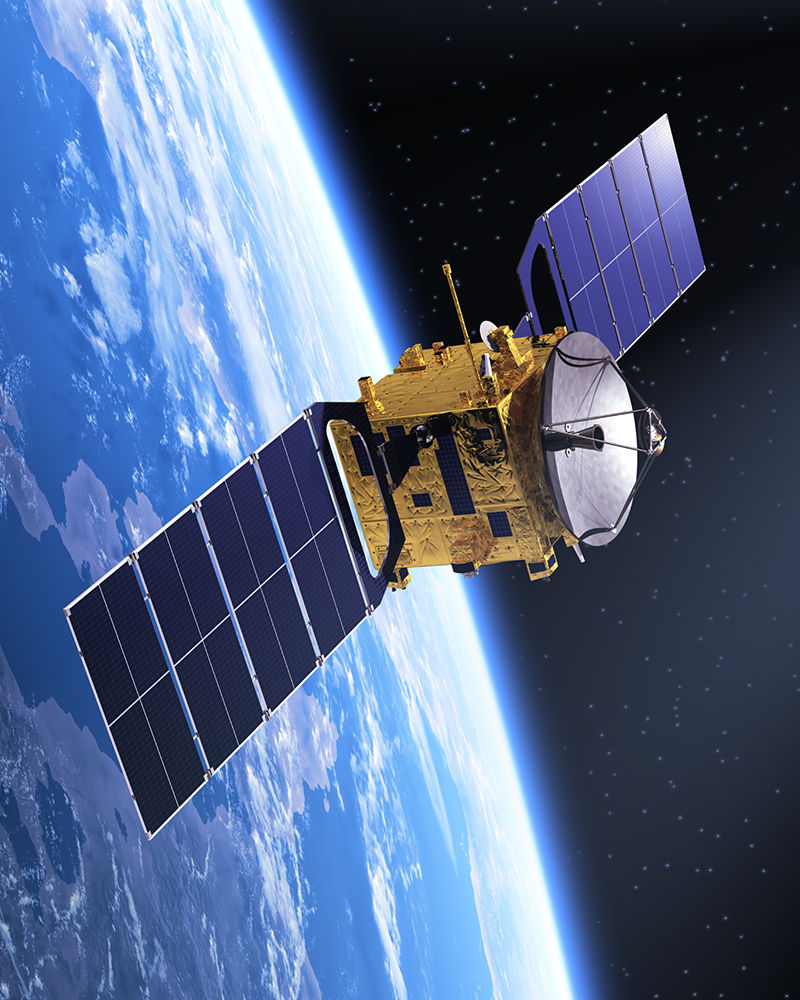


Astronomy and Physics
A postgraduate physics and astronomy degree allows students to expand their understanding of the fundamental laws of nature and the structure of the universe, while developing advanced research and analytical skills. It provides a strong foundation in theoretical and experimental physics while offering opportunities to specialise in areas such as astrophysics, particle physics, condensed matter, cosmology, and space science.
The programme offers the opportunity to study core subjects including quantum mechanics, statistical physics, advanced electromagnetism, observational astronomy, and computational modelling. Many courses also integrate laboratory research, telescope observations, data analysis, and interdisciplinary projects, enabling students to apply advanced scientific methods to both theoretical and applied problems.
Why study Postgraduate Degree in Astronomy and Physics?
Studying physics and astronomy at postgraduate level is a chance to combine scientific discovery with practical research, preparing graduates for careers in academia, aerospace, data science, energy, and technology. It also provides a strong pathway into doctoral research and specialist roles at international research institutes and space agencies.
Top Ranking Universities List for Civil Engineering










Entry Requirements
Academic Requirements
-
A Master’s degree (Merit or Distinction) in Physics, Astronomy, Astrophysics, Applied Mathematics, or a closely related discipline.
-
Applicants must also hold a Bachelor’s degree with at least a UK 2:1 (Upper Second-Class Honours) or international equivalent in Physics or a cognate subject.
-
Strong academic preparation in areas such as mathematics, classical mechanics, quantum mechanics, and computational methods is essential.
-
Candidates with degrees in Engineering, Computer Science, or related fields may be considered if they demonstrate strong quantitative and analytical skills relevant to physics or astrophysics.
-
International qualifications must meet UK equivalence standards (verified through UK ENIC, if required).
-
Prestigious UK universities (e.g. Cambridge, Oxford, Imperial College London, UCL, Edinburgh) typically expect first-class honours and Distinction-level postgraduate results, particularly for theoretical or computational research.
Work Experience Requirements
-
Work experience is not required for entry into a PhD in Astronomy or Physics, as selection is based primarily on academic excellence and research potential.
-
Applicants with experience in research laboratories, observatories, or computational projects are strongly preferred.
-
Prior participation in undergraduate or master’s research projects, summer placements, or publications is advantageous.
-
For applied physics or engineering-related research, prior industrial or technical experience may be beneficial but is not mandatory.
-
Strong programming and data analysis skills (e.g. Python, C++, MATLAB, or data modelling software) are highly valued.
English Language Requirements
-
IELTS (Academic): Overall score of 6.5–7.0, with no component below 6.0.
-
TOEFL iBT: Overall score of 90–100, with minimum section scores around 22–25.
-
PTE Academic: Overall score of 62–70, with no component below 62.
-
Applicants who have completed their degrees in English or studied in a majority English-speaking country may be exempt from submitting English test results.
-
Top research universities may require higher minimums (e.g., IELTS 7.0 overall) for certain theoretical or interdisciplinary programmes.
Additional Application Documents
-
Official academic transcripts and degree certificates for all qualifications (with certified English translations where necessary).
-
Research proposal (typically 1,500–3,000 words) outlining your proposed topic, research goals, methodology, and alignment with departmental expertise.
-
Personal statement describing your academic background, research interests, and motivation for pursuing a PhD in Astronomy or Physics.
-
Curriculum vitae (CV) listing education, research projects, technical skills (programming, instrumentation, data analysis), publications, and conference participation.
-
Two or three academic references, at least one from a research supervisor or academic advisor familiar with your scientific work.
-
Proof of English language proficiency (if applicable).
-
Some departments may request a sample of scientific writing or research paper, or require a short technical interview as part of the selection process.
-
Applicants may optionally include GRE Physics test scores, though this is not mandatory for most UK universities.